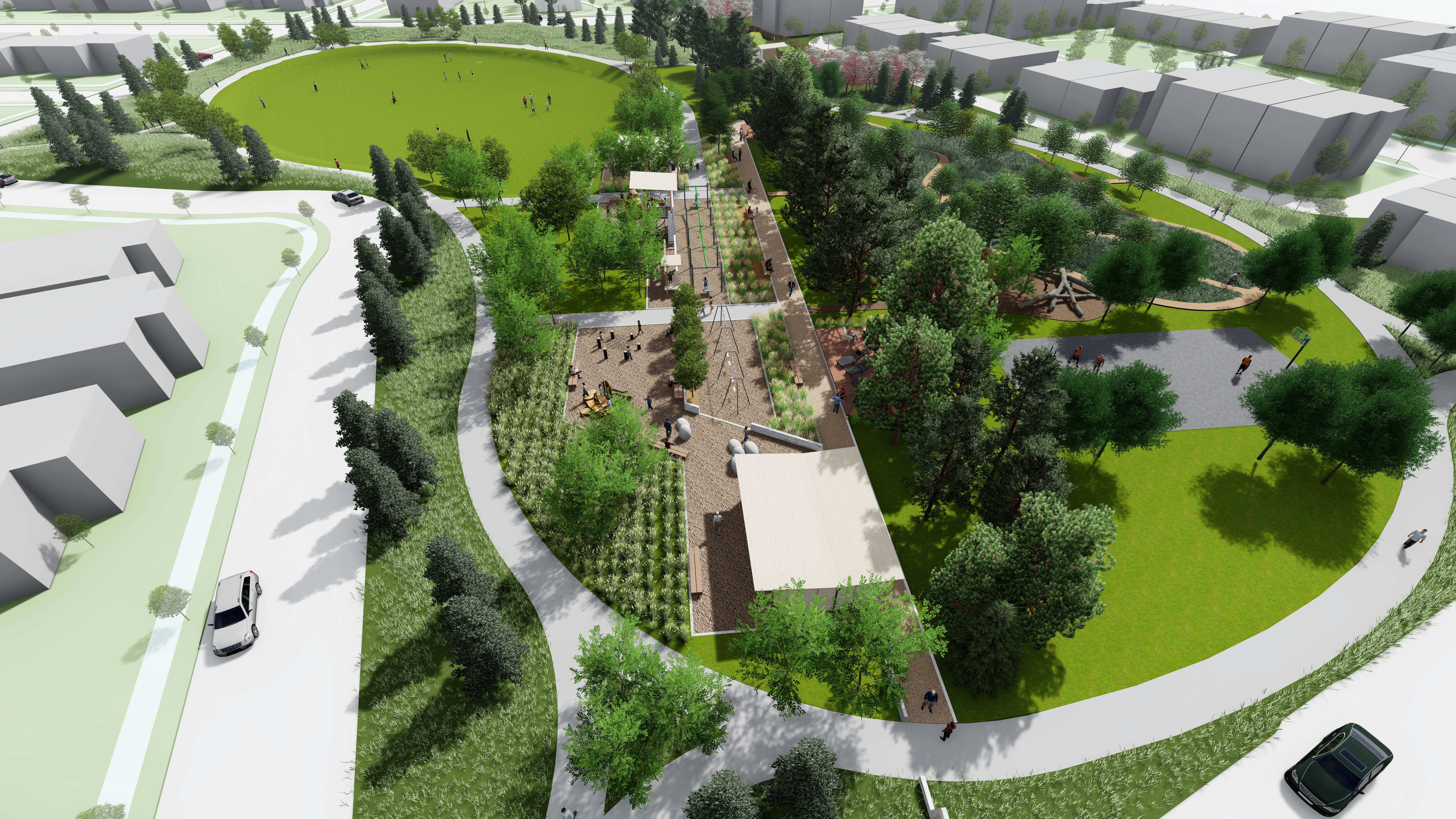
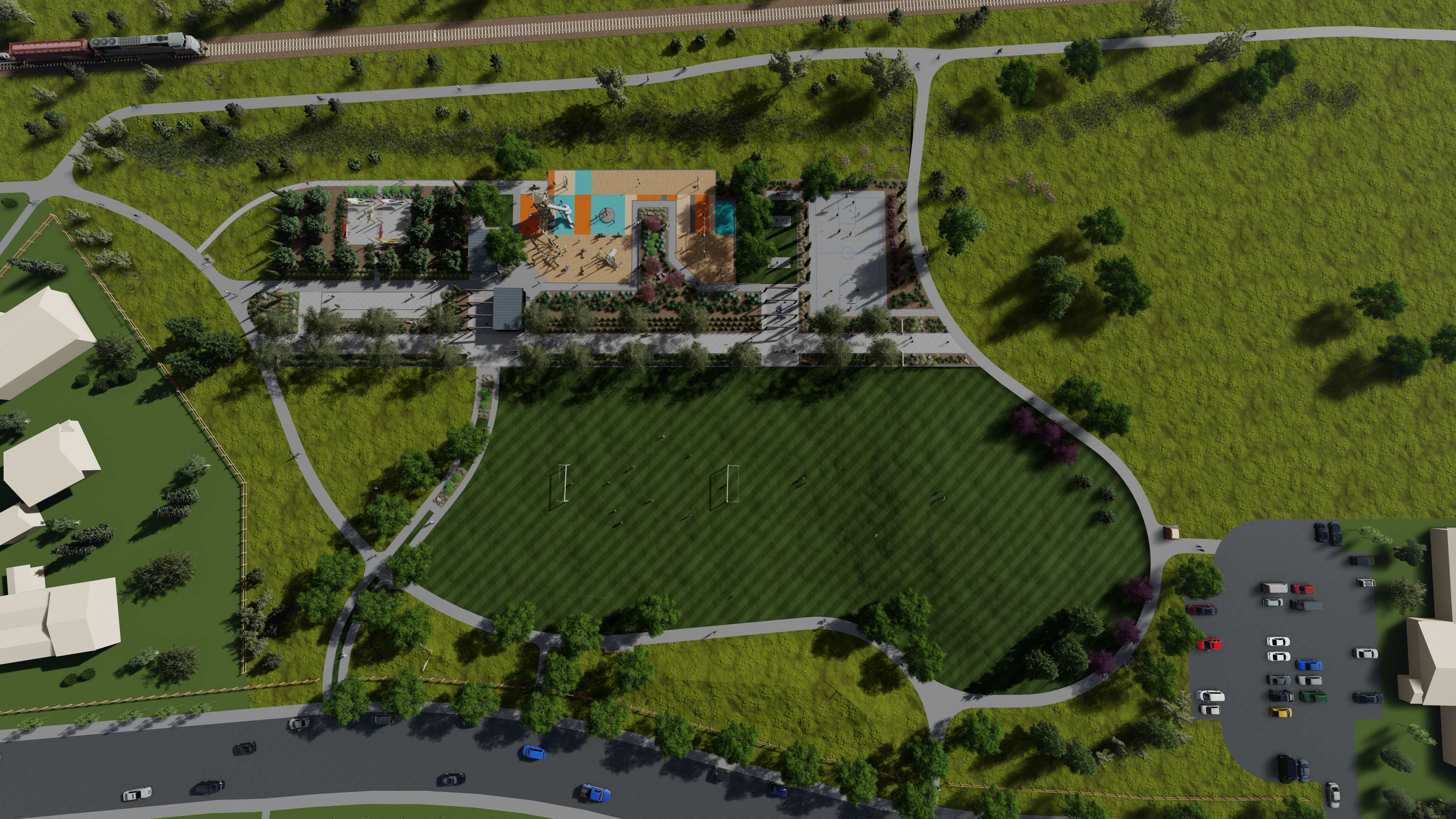
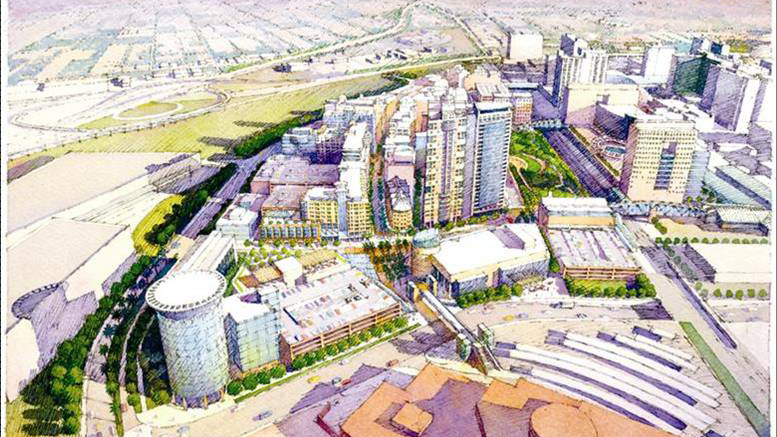
Like many Front Range communities, Lakewood continues to experience growth—not through traditional greenfield development but rather through higher-density infill projects, particularly multi-family housing. This shift presents new challenges and opportunities in how parkland dedications can best serve both residents and developers working with limited building footprints and constrained space for new parks.
While there remains a need for traditional neighborhood and community parks, the evolving urban landscape also calls for non-traditional park typologies that better align with infill development. Guided by extensive input from both residents and developers, this plan establishes a blueprint for a fully connected and distributed citywide park system, ensuring that future dedications support long-term community needs. It prioritizes areas where traditional parks are most needed while introducing alternative park solutions for high-density urban settings.
The planning process was complex, as many residents expressed concerns over the City’s historical lack of parkland dedications, with a perception that development priorities had outweighed community needs. In response, the plan provides updated park impact fees, detailed maps highlighting park deficiencies, and strategic recommendations for alternative park typologies across the city. This plan proved highly influential, ultimately leading to a revised ordinance approved by City Council that strengthens parkland dedication requirements and ensures future development contributes meaningfully to Lakewood’s park system.
Office: Norris Design
Client: City of Lakewood
Contributions: Project director, city council and client presentations